
Does Farm Life Take All Day? How We Make Our Small Farm Work
There is always something that could be done on a farm. A stall could be swept. A fence could be checked. Weeds could be pulled. Something could probably use fixing. Looking at all those possibilities, it would be easy to think we spend every waking hour doing daily farm chores.
We don’t.
One of the biggest things we have learned at The Tart Farm is that having responsibilities does not mean every minute of the day has to be filled with work.
Daily Farm Chores Have a Routine
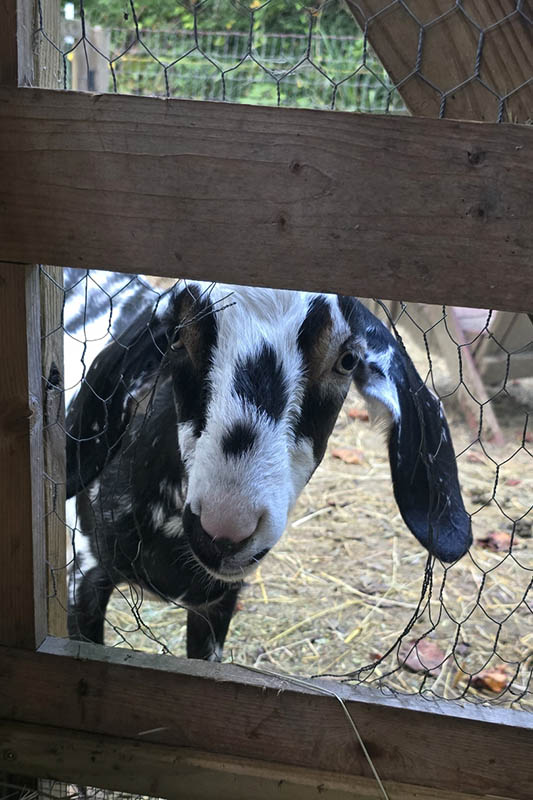
Most of our regular animal care happens during predictable parts of the day. Morning means milking when the does are in milk, feeding everyone, checking water, opening the chickens, and looking over the animals. Evening brings another round of feeding and water checks. The chickens are closed safely for the night, and the goats are milked again when needed.
Because we do these jobs every day, we have worked hard to make them efficient. Feed is stored where we need it. Supplies stay close to where they are used. The four-wheeler carries feed, hay, water, and equipment up and down our hills. Good systems don’t remove responsibility. They make responsibility easier to manage.

Bigger Farm Jobs Are Planned
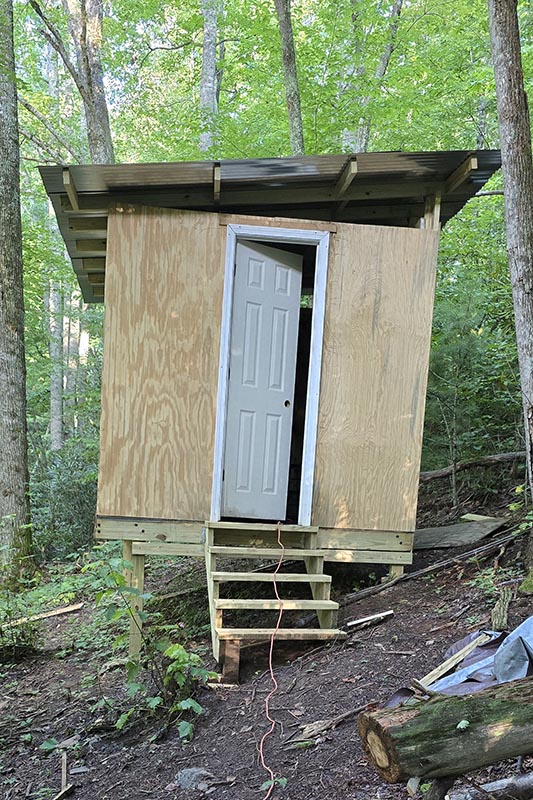
Of course, not every day looks the same. Processing chickens, repairing fencing, working on the barn, preparing for winter, or tackling a large garden harvest can take much longer than normal chores. Whenever possible, we plan those jobs for weekends. That is when everyone is home and we have more hands available. A Saturday spent building something or processing chickens may be a busy farm day. That doesn’t mean every Tuesday looks like Saturday. Planning the bigger jobs for the right time helps keep our normal days predictable.
Three Hours Doesn’t Always Mean Three Hours of Work
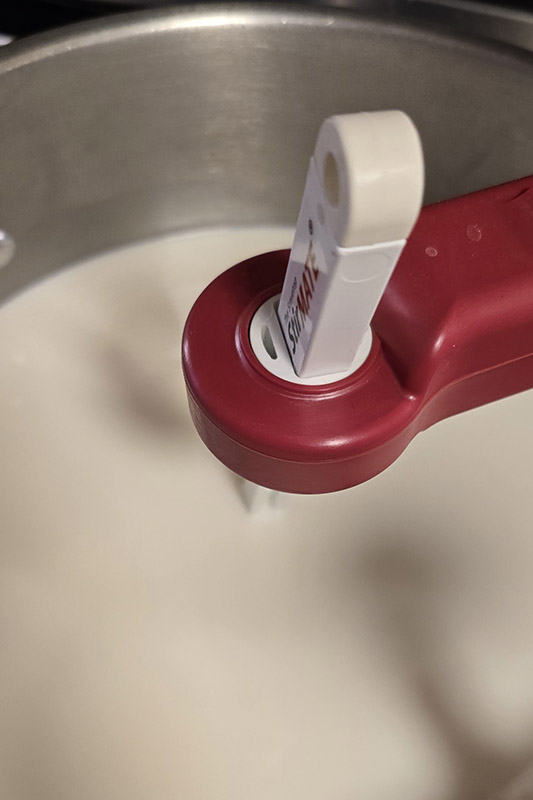
The kitchen is another place where time can be misleading. Cheese might take several hours from beginning to end. Yogurt incubates. Bread rises. Food dehydrates. Milk cools. Much of that time doesn’t require me to stand there watching it. I even have a motorized stirrer that can keep milk or cheese moving while I work on something else nearby. Once cheese is culturing or yogurt is incubating, the clock keeps moving. I can move on to another project and return when the next step is needed.
There is a big difference between how long something takes and how long it needs my attention.
Sometimes One Chore Does More Than One Job
I also try to fit things together whenever it makes sense. Many of the photos and videos you see from The Tart Farm happen during chores I am already doing. If I’m feeding goats and the morning light looks beautiful, I might stop for a quick photo. I can record the chickens scratching while checking their water. Garden pictures usually happen while I’m checking plants or harvesting vegetables. I’m not setting aside hours to create a picture of farm life. I’m documenting the farm life that is already happening. Many blog ideas start the same way. Something we grow, cook, repair, learn, or change becomes something worth sharing later.
Making Room for the Rest of Life
Farm animals need dependable care. They don’t know that it is raining, that it is a holiday, or that we would rather sleep late.
That responsibility is real.
But being responsible does not mean being busy every minute. Reliable routines, useful equipment, planning ahead, and scheduling larger projects for the right days leave plenty of room for everything else. There is time for cooking and preserving food. There is time for gardening, writing, educational projects, errands, household work, visiting family, and sometimes even sitting down with a drink before it gets cold.
For us, that is another part of making our small farm sustainable. Sustainability is not only about caring for the land and animals. It is also about creating routines we can depend on and continue living with, day after day. Because if taking care of the farm leaves no room to actually enjoy the life we are building here, it may be time to build a better system.
Leave a Reply